
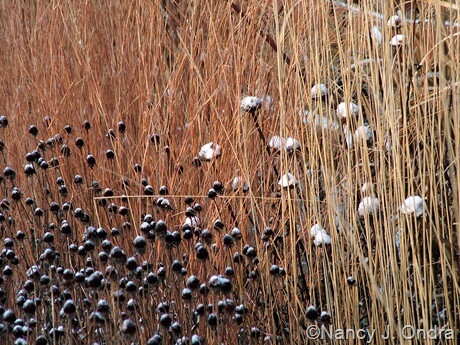
Seed Pods: Sculptural Beauty in the Stillness
Many perennials save their best performance for winter. As seed heads dry and mature, they become sculptural elements that catch frost, snow, and low winter light.
Plants like:
• Echinacea (Coneflower)
• Sedum ‘Autumn Joy’
• Allium
• Rudbeckia (Black-Eyed Susan)
Their seed pods add texture and movement while also providing an important food source for birds throughout the colder months.
Winter Grasses: Movement, Texture & Light
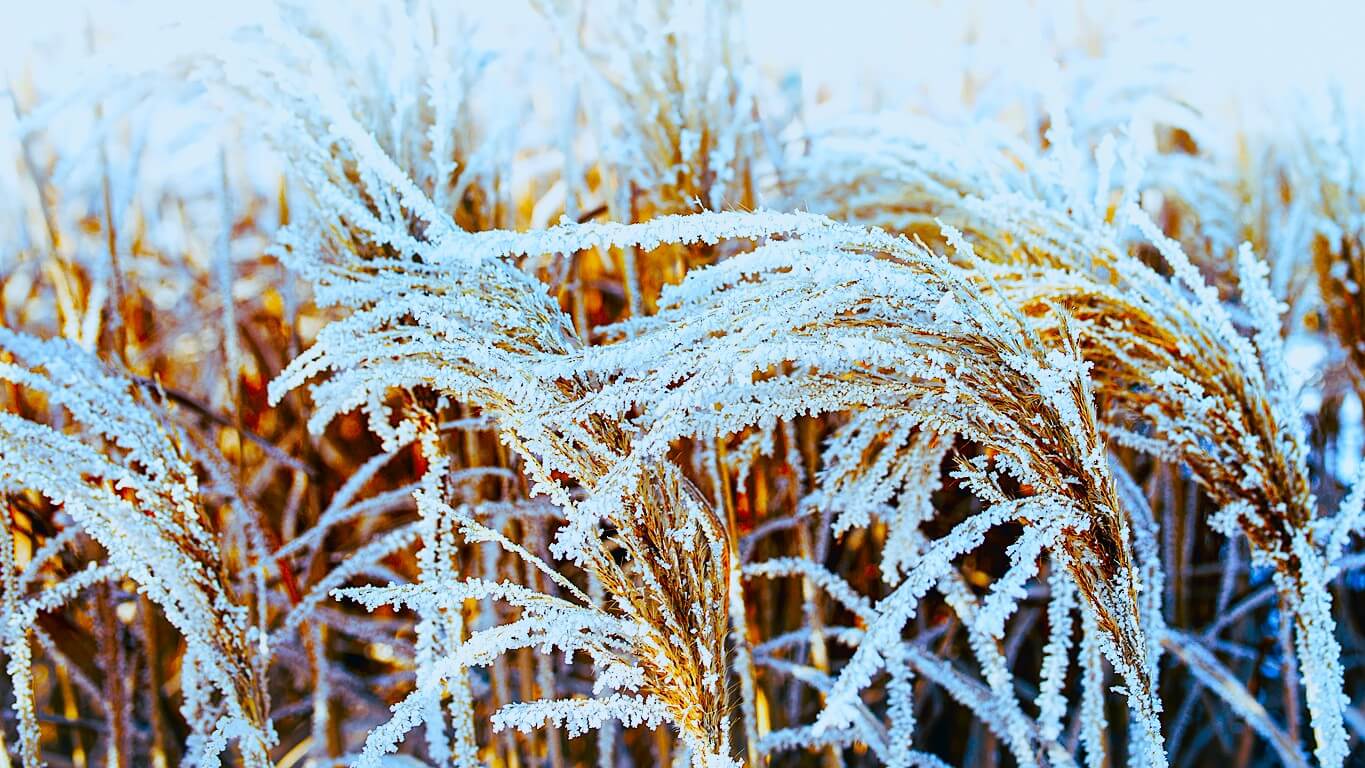
Ornamental grasses are essential to winter landscapes. Even dormant, they create motion and softness—especially when illuminated by low winter sun or dusted with snow.
Some of our favorite winter-performing grasses in the Northeast include:
• Miscanthus
• Panicum (Switchgrass)
• Calamagrostis
• Little Bluestem
Left standing through winter, these grasses create contrast against hardscape, evergreens, and bare branches.
2202479867
Winterberry: A Standout Star of the Season
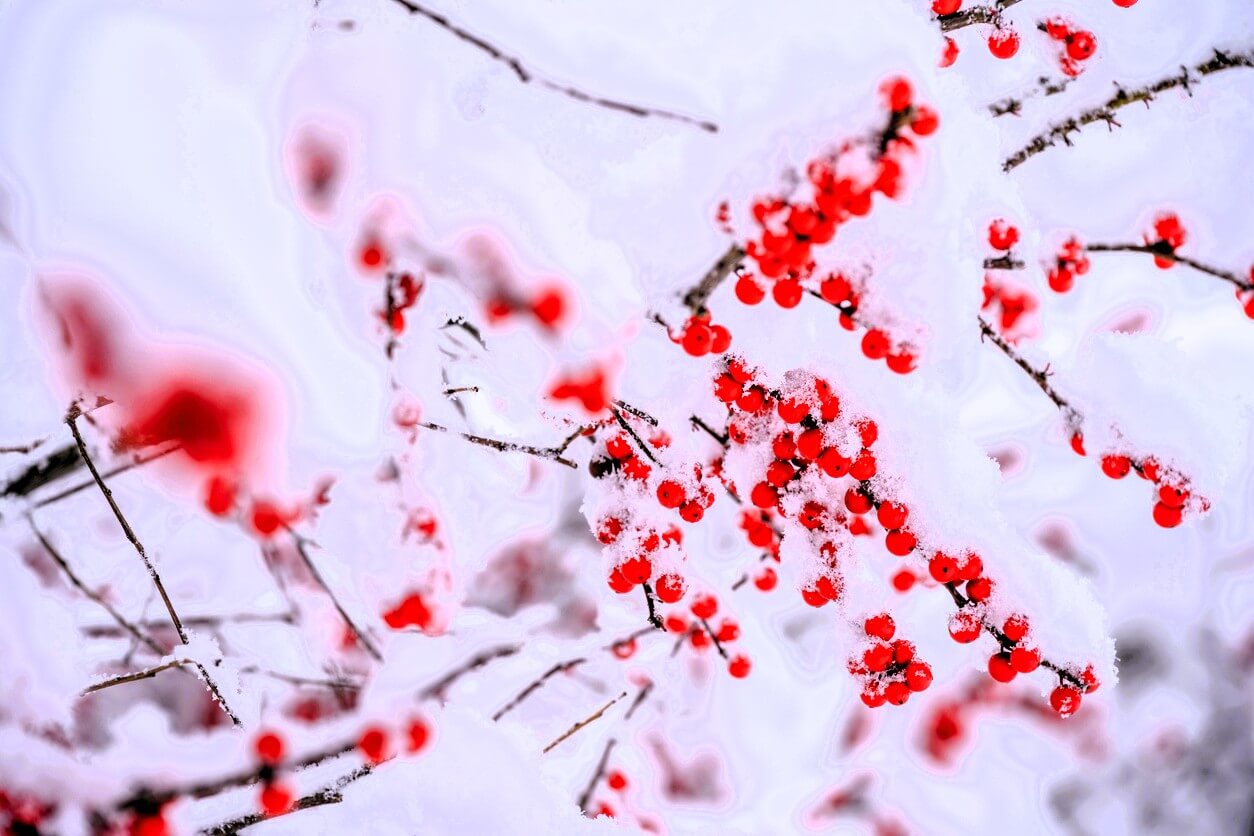
Few plants define winter beauty like Winterberry Holly (Ilex verticillata).
Once the leaves drop, vibrant red berries remain—bringing color, contrast, and life to an otherwise muted landscape. Winterberry is native, hardy, and thrives in Northeast conditions when properly sited.
It’s especially powerful when:
• Planted in mass
• Paired with evergreens
• Positioned near walkways or views from inside the home
2254099029
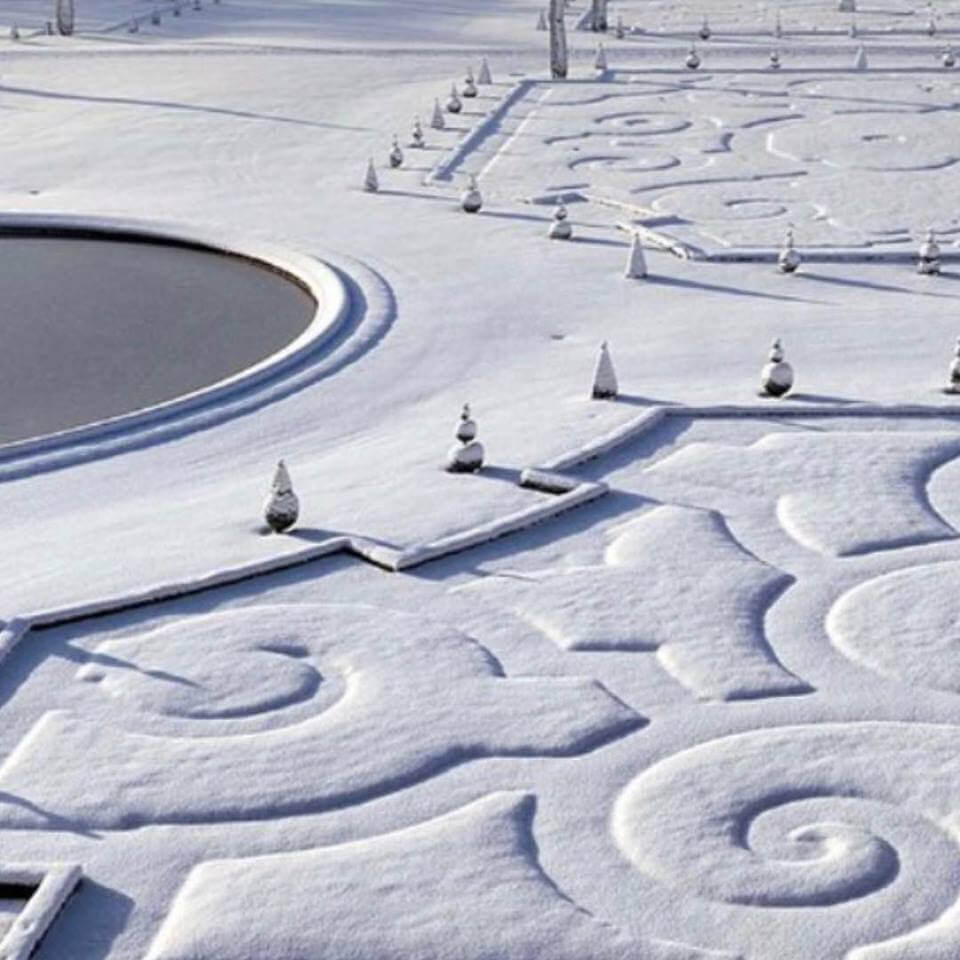
Winter is when structure becomes most apparent.
Evergreens like boxwood, spruce, and pine provide visual anchors, while deciduous trees with interesting bark—such as river birch or paperbark maple—add depth and character.
A thoughtful winter landscape balances:
• Evergreen mass
• Deciduous form
• Perennial texture
• Hardscape geometry
This is where design truly shows its strength.
Designing for All Four Seasons
A landscape shouldn’t disappear in winter.
When planned intentionally, winter becomes a season of:
• Subtle contrast
• Texture and form
• Quiet elegance
• Natural rhythm
Whether it’s seed pods swaying in the wind, grasses catching snowfall, or winterberry glowing against a gray sky, these elements transform winter from an afterthought into a feature.
Thinking About Your Own Winter Landscape?
If your landscape feels flat or empty once winter arrives, it may simply need better structure and seasonal balance.
At Cross River Design, we specialize in creating landscapes that remain engaging year-round—rooted in thoughtful plant selection, proportion, and craftsmanship.
👉 Contact us to start a four-season landscape plan that looks as good in January as it does in June.